
Ancient Indian Boardgames: Digital Documentation
The Rationale: Preserving a Fast Vanishing Culture
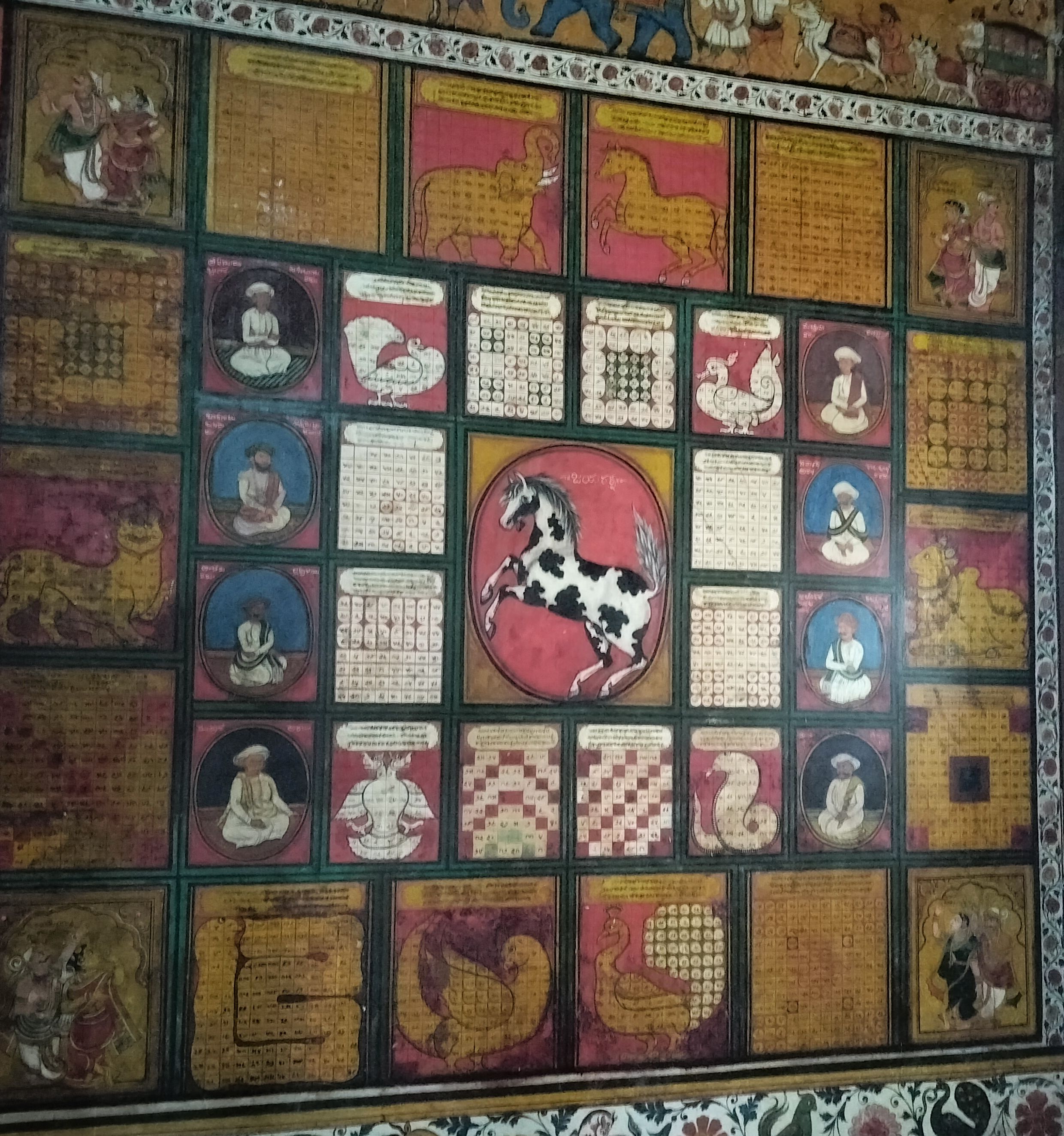
The Jaganmohan Palace (Sri Jayachamarajendra Art Gallery) in Mysore has an entire room with boardgame designs both common and less known as murals on its walls. The room, designed by the Mysore king Mummadi Krishna Raja Wodeyar is a standing archive of Indian boardgames and preserves unique Indian boardgame designs that the polymath king had wanted to highlight to the world. Sadly, not many know about the Mysore king's boardgame project today but Indian boardgames have continued to attract scholarly attention and leading intellectual figures such as Sir William Jones and Haraprasad Shastri have commented on these games in the Asiatic Society's journal. Nevertheless, the interest in researching these games has remained a much neglected and niche area even within academia and this can be addressed through a digital archive that will allow a potentially much larger audience to access the information regarding these boardgames and their play cultures.
Harnessing the toolsets offered by Digital Humanities, this project aims to bring the histories, play cultures and the experience of Indian boardgames closer to both academics and a larger populace. It does so by bringing together a curated collection of games, their histories, rules and interviews with practitioners and players.
An Outline Methodology
- A database of ancient Indian board games, particularly those that were lost in colonial India or adapted by European and American game-makers.
- The database lists the rules of the games, reflect the ways in which they might have changed, descriptions of play cultures, the possible location(s) of play, where the games are to be found now and related commentaries on and the representation of the games as available in various media from historical to present times. The website also contains sections for both enthusiasts and researchers to play these games as they used to be played in the past. We also plan to include crowdsourcing to generate information about the game rules and cultures of play.
- Oral history recording and dissemination methods have been employed to add to the database of game rules and play practices.
- As a digital archive, the database contains a wide range of detailed metadata and algorithms that enables better search facilities and facilitate numerous query combinations.
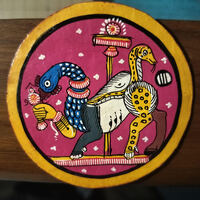
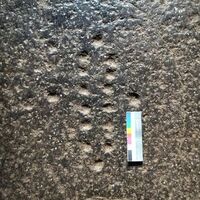
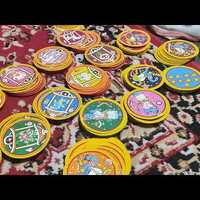

As a pilot project, this archive does not document chess-boards and types of chess-play in India. That will require much more resources than are available now and we hope to address this gap in future projects. For now, we follow in the august footsteps of H.E.V Murray's famous History of Boardgames Other than Chess and similar publications in India.