Search
155 items
-
Lam Turki
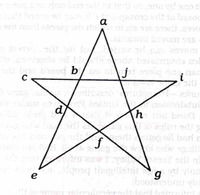
This game was documented by Sunder Lal Hora at Kalijhora at present Kalimpong district. The informant of these games was a local man of the area who was of Nepali origin. Credit also has been given to Mr. F.D Raj of Kalimpong who helped confirm the rules and the descriptions of the documented games. The game is played by one person, so it is a kind of a ‘Solitaire’, but usually a group of people sit together and play the game in turn. It is played on a board of ten cross points arranged as shown in the image. There are nine pieces with which the game is played. The actual play consists of two phases. In the first phase, the person playing has to get all his nine pieces on the board, and then in the second phase, by the usual method of jumping over, has to capture all except one. The pieces can be placed on the board in any way, except that when a piece is placed on a cross point or at a point it cannot be moved elsewhere. When removing the pieces from the board, they are taken as in draughts by leaping over the piece to be captured to a vacant space in the same straight line. While placing the pieces on the board, the starting should be from any corner point. Hora also mentions that a similar game has been documented by Humphries called Kowwa Dand in Uttar Pradesh. But the rules of the game were not clear according to Humphries. In the Teesta Valley at that time, Hora described that the game was only played by selective people owing to its difficulty. He also mentions that 'Lam Turki' means going straight according to the informants which could refer to the characteristics of the movement of the game. -
Lau Kata Kati
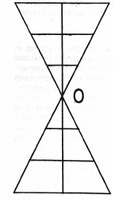
This game was documented in an essay by Jantindra Mohan Datta. The games he described were played by locals of Howrah, Hooghly and 24-Parganas. According to Datta this and the other games in the essay are not indigenous in nature. The informant of these games belonged to Panihati. Datta also mentions that similar games were also common in other districts of Asansol, Burdwan, Midnapore, Ranaghat, Santipur, Khulna, and Barisal. The game of Lau Kata Kati is a two player game. This game is similar to that of Kowwa Dunki and is a version of an Alquerque board. Lau Kata Kati is played with 9 pieces on each side, on a board in the shape of an hourglass. The board is also similar in layout to that of another game Felli from Morocco, but slightly larger, with the nine pieces of each player being arrayed in three rows. There are other similar variants of the structure of the board like Dash Guti, Nao Gutiya and others but the game pieces or the rules may differ from game to game. -
Lau Kata Kati: Downloadable Game
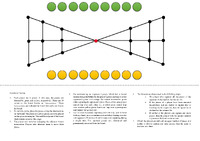
This is a downloadable resource of a Lau Kata Kati Game one can download and play referring to the rules and using the given pieces. -

-
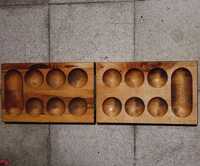
Mancala
The game of Mancala is considered to be one of the oldest games of the world, while its place of origin and the timeline is debatable. The earliest textual reference as stated by scholars comes from Kitab al-Aghani, or Book of Songs which does not directly mention mancala but refers to a similar game. These rows of cupules have also been excavated in ancient sites like Jordan and many others including megalithic sites in India but their link as to being Mancala is debatable. This game has many variants all across the world and is popular in Africa, Asia, and parts of Eastern Europe. In India, Mancala is known by many names and the rules and variants of the game keep changing based on its region and according to the communities who play them. The number of holes in mancala differ along with the number of rows as well. In some variants the board is hand-drawn on a surface as circles with chalk or even cut holes on the soil to play the game. It is played with local seeds, stones or anything which is easily available as pieces to place inside the pits. The number of pieces per pit also vary from four to even twelve in some variants. This game is popularly a two-player game but some variants also show three players or even one in some case. -
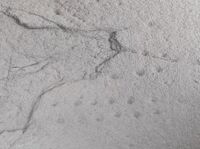
Mancala Finished and Unfinished, Pataleshwar (1,2)
The game of Mancala is considered to be one of the oldest games of the world, while its place of origin and the timeline is debatable. The earliest textual reference as stated by scholars comes from Kitab al-Aghani, or Book of Songs which does not directly mention mancala but refers to a similar game. These rows of cupules have been excavated in ancient sites like Jordan and many others including megalithic sites in India but their link as to being Mancala is debatable. This game has many variants all across the world and is popular in Africa, Asia, and parts of Eastern Europe. In India, Mancala is known by many names and the rules and variants of the game keep changing based on its region and according to the communities who play them. The number of holes in mancala differ along with the number of rows as well. In some variants the board is hand-drawn on a surface as circles with chalk or even cut holes on the soil to play the game. It is played with local seeds, stones or anything which is easily available as pieces to place inside the pits. The number of pieces per pit also vary from four to even twelve in some variants. This game is popularly a two-player game but some variants also show three players or even one in some case. This particular image depicts a finished six row Mancala just beside the Nandi(bull) at the temple complex of Pataleshwar, and a probable unfinished one beside it. The unfinished board may suggest that not all etched boards were measured or carved perfectly in order to be played. It could also suggest that there was a learning curve in etchings games on the floor and it could have been a failed attempt. Another idea could suggest that the other etched board has been destroyed through time or lack of preservation as many other sites were documented where boards were seen as unfinished or had cracks on them. Pataleshwar cave complex are a small group of five excavations, developed into a cave temple dedicated to Pataleshwar, God of the underworld or Shiva. This cave complex is ruggedly excavated and also bears resemblance with the Elephanta caves of Mumbai. The cave has unfinished murals on the sides and on the backside. There is a Nandi pavilion at the entrance of the cave which is circular. The inside of the main cave contains a pillared hall with a pradakshinapatha the way to go around the shrine. One side of the cave remains unfinished. This and other boardgames were documented on the floor of the cave. -
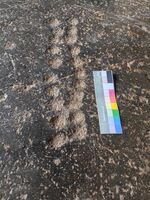
Mancala, Bhaja Cave Complex
This etched or incised board is located in the main chaitya griha of the Bhaja cave complex (Cave number 12). The game of Mancala is considered to be one of the oldest games of the world, while its place of origin and the timeline is debatable. The earliest textual reference as stated by scholars comes from Kitab al-Aghani, or Book of Songs which does not directly mention mancala but refers to a similar game. These rows of cupules have been excavated in ancient sites like Jordan and many others including megalithic sites in India but their link as to being Mancala is debatable. This game has many variants all across the world and is popular in Africa, Asia, and parts of Eastern Europe. In India, Mancala is known by many names. The rules and variants of the game keep changing based on its region and according to the communities who play them. The number of holes in mancala differ along with the number of rows as well. In some variants the board is hand-drawn on a surface as circles with chalk or even cut holes on the soil to play the game. It is played with local seeds, stones or anything which is easily available as pieces to place inside the pits. The number of pieces per pit also vary from four to even twelve in some variants. This game is popularly a two player game but some variants also show three players or even one in some case. In Bhaja Caves and in many other caves in western Deccan the evidence of mancala board depressions or carvings are present. This is an example of one such game board. This is an 11 hole mancala with 2 rows. The approximate length of the board is 35cm. the width is uneven and approximately measured at 6cm. The diametre of the holes are uniform and measured as 3cm. This mancala board lies on the left hand side of the chaitya griha facing the stupa lying beside the chaupar board at the same cave. Etched games or games inscribed have been documented by scholars and board game researchers from many sites of India, both at religious and secular spaces. From sites like Lothal (Indus Valley) to game pieces found at Mohenjodaro, to reference of scholars at books like Sedentary Games and The Boardgame complied by the Anthropological Survey of India, etchings of game boards have been found on stone slabs of places where people gathered, in temple porches or floors of temples and stupa complex. -
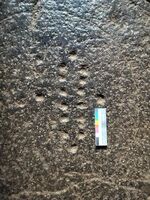
Mancala, Karla (1)
The game of Mancala is considered to be one of the oldest games of the world, while its place of origin and the timeline is debatable. The earliest textual reference as stated by scholars comes from Kitab al-Aghani, or Book of Songs which does not directly mention mancala but refers to a similar game. These rows of cupules have been excavated in ancient sites like Jordan and many others including megalithic sites in India but their link as to being Mancala is debatable. This game has many variants all across the world and is popular in Africa, Asia, and parts of Eastern Europe. In India, Mancala is known by many names and the rules and variants of the game keep changing based on its region and according to the communities who play them. The number of holes in mancala differ along with the number of rows as well. In some variants the board is hand-drawn on a surface as circles with chalk or even cut holes on the soil to play the game. It is played with local seeds, stones or anything which is easily available as pieces to place inside the pits. The number of pieces per pit also vary from four to even twelve in some variants. This game is popularly a two-player game but some variants also show three players or even one in some case. This mancala board is engraved on the floor of the main chaitya griha or cave number 8 in Karla. As the image shows, is a two-row mancala with 7 holes consisting both sides. There are also two depressions on the two extreme left and right side of the carving which could be the space to keep the winning seeds. The graffiti measures to 36cm and the diameter of each hole is 3cm approximately. This Graffiti board lies on the left side of the Stupa. The Karla cave complex in Maharashtra is one of many rock-cut early Buddhist caves stretching from a time period of roughly 2nd century BCE. Karla is prominent and popular for its Grand Chaitya, which is considered to be one of the largest and best-preserved chaitya halls of that period consisting fine sculptures in its pillared panels. There are also many inscriptions in Karle denoting the various grants to construct the cave complex. There is a total of three mancalas right at the chaitya hall on the floor. While there are abundant etched evidence of mancala spread all across Maharashtra, it has been stated by scholars and board game researchers that more recent memory of the existence of this game is absent from the region. Thus, the practice of playing the game or the regional variant belonging from this region is either lost or yet to be found.