Search
155 items
-
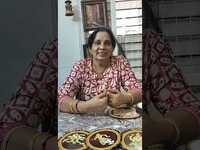
Interview with Chandrika Padmanabhan, Mysore ganjifa artist
Detailed interview on Mysore Chhad Ganjifa providing information on the history, the art, the cultural tradition and the survival of the tradition. -
Interview with Dr Arunima Pati 20250217
Interview with Dr Arunima Pati, eminent expert on Ganjapa / Ganjifa cards. -
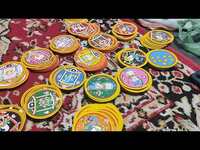
Interview with Ganjapa [Ganjifa] artist Banamali Mahapatra
Ganjapa ( Ganjifa) artist Banamali Mahapatra describes the process of the making of the ganjapa cards, their relation to the patachitra. -
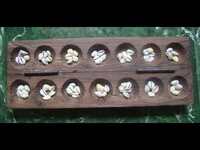
Interview with Professor Priya Sangameswaran (CSSSC): On Playing Pallanguzhi/Pallangudi in Palakkad
On Playing Pallanguzhi/Pallangudi (Mancala) in Palakkad. Professor Priya Sangameswaran speaks to Dr Souvik Mukherjee about her experience of playing Pallanguzhi as a child and also later. -
Interview with Ramsons Kala Pratisthana
Interview with R.G. Singh and Raghu Dharmendra describing the initiation of interest in preserving boardgames. Ramsons Kala Pratishtana (RKP) is a not-for-profit art foundation based in Mysore, Karnataka, India. RKP was established in 1995 to commemorate the 25th year anniversary of Handicrafts Sales Emporium (largest and finest handicrafts store in Mysore founded by D. Ram Singh in 1970). RKP is a research, training, design, development and conservation centre for art and craft forms with special emphasis on Mysore and its culture. The main objective of RKP is to develop the art and craft forms by providing research based designs to the artisans and also creating a market to the products produced thereof. RKP aims to be proactive towards the sustainability of craft forms by providing them with new impetus in the face of globalisation and industrialisation. The mantra is 'Art, craft and traditions have to reinvent themselves in order to be relevant with the times' RKP conducts several annual exhibitions 'Kreedaa Kaushalya' an exhibition of traditional board games of India, in summer. 'Bombe Mane' an exhibition of traditional dolls on the occasion of Dasara. 'Deepa Soundarya' an exhibition of traditional lamps for Deepavali. Chairman: D. Ram Singh. Executive Trustee: M.B. Singh. Secretary: R.G. Singh. Curator: Raghu Dharmendra See less -
Interview with Shraddha Bhonsle (Sawantwadi royal family)
Detailed interview on Sawantwadi Ganjifa providing information on the history, the art, the cultural tradition and the survival of the tradition. -
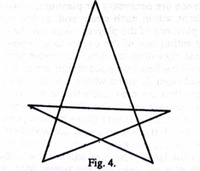
Kaooa
This game was recorded by Hem Chandra Das Gupta and the information was collected during one of his field visits to Gosalpur in the district of Jabalpur, in present Madhya Pradesh. According to Das Gupta this is a peculiar type of tiger play and as the image shows, seven kaooas (crows) and one tiger are necessary for the game. Two players are required for the game; the player with the kaooas tries to checkmate the tiger, while the player with the tiger attempts at capturing all the kaooas by jumping over them according to the ordinary rules of the tiger play. This type of tiger-play is rather interesting, and differs from the type of tiger-play prevalent in Bengal and Orissa in which the number of goats or ballets may be 24, 20, 12 or 3, while the number of tiger may be 1,2 or 4. Kaooa is a hunt game documented in the early twentieth century in India, but it is probably much older, as graffiti with the pattern of the board have been found at sites such as medieval Vijayanagara. This board also looks like a star and can also be played in the star game. -
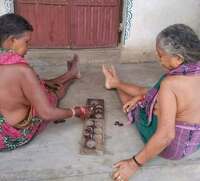
Kasadi
Kasadi is a boardgame played by two players. It is usually played with either a wooden board with seven pits on both sides or even making pits or drawing circles on the ground if a board is absent. Kasadi is known as Thotogoti, KasaKaudi, and KanjiPata in different region of Odisha. According to its rules and the structure of the board it could also be stated as a variant of Mancala which is prevalent in several parts of India, known popularly by their local names. It is believed that this game is also known as Sita- khel. Sources mention, when Sita was imprisoned in the Ashok vatika she was used to play this game. The wooden board of kasadi or sita-khel was also available in the royal families of Odisha where the princes were used to play the game with their companions and were learning counting and measuring.