Mawkar Katiya
Item
- Title (dcterms:title)
- Mawkar Katiya
- Description (dcterms:description)
-
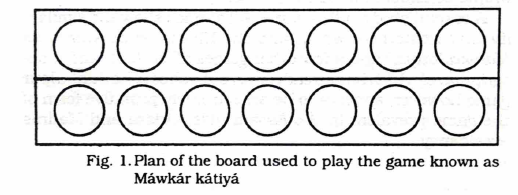
Mawkar Katiya is a form of Mancala found in North-Eastern India. In his research published by the Asiatic Society in 1923 , Hem Chandra Dasgupta locates the game in North-Eastern India, particularly in Shillong and Cherrapunji .
- Alternative Title (dcterms:alternative)
- Mow korkatia / Longbeuacha (Assamese ), Sat-gol (Hindi), Ali Guli Mane (Kannada), Vai Lung Thlan (Mizo), Kanji guti (Odia), Khutka boia (Punjabi ), Pallanguzhi/ Pallankuli (Tamil), Vamana Guntalu (Telugu), Chenna Maaney (Tulu), Pachgarhwa (Urdu), Til-goti, Chal goti (Mundari), Sat Gharoa (Bihar), Bakri (Chattisgarh)
- Rules (dcterms:instructionalMethod)
-
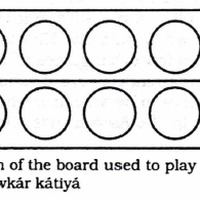
Two persons are necessary for the play and, to start with, five small stones are kept within each of seven holes. One of the players picks up the stones from a hole lying in the row just next to him and goes on putting one piece of stone into each depression. As soon as he has done with the five pieces he started with, he picks up all the stones lying immediately in front of the depression where the last piece was deposited. He must repeat this action till, after having deposited all the pieces that he may carry in his hand, he comes to an empty hole lying immediately in front of the one where the last piece was dropped. In this case all the pieces of stone lying within the hole immediately next to the vacant one will come into his possession and the other player will begin the game, following exactly the same method, each playing from right to left along his line of depressions and from left to right along the line of holes belonging to his adversary. The players will thus keep on the game alternately till all the pieces have been removed from the plank, with the general result that one of the players is in possession of more than 35 pieces of stone and the other less. The game will now be started for the second time but not by the player who started it on the previous occasion and one peculiarity will be observed while arranging the pieces. Suppose for example, that after the end of the first game, one player finds that he has 37 pieces in his possession then he will arrange 35 pieces in the usual way, while two (i.e. the pieces he has obtained in excess of 35) will not be placed in any of the depressions, but will remain to his credit while the game is being played for the second time. The other player will now arrange the 33 pieces. placing 3. within the depression lying to the extreme left along his line while the other six will contain 5 pieces each. On this occasion the following additional rules will also be observed : ©
(a) The person that has got two pieces extra will have all the single groups of 2 pieces that may accumulate within one depression while his adversary is playing to his credit. While the latter will have all the single groups of 3 pieces that may accumulate within one depression to his credit while the former may be playing.
(b) The winner will have the depression to his extreme left covered by his palm and gain one piece every time he passes round this depression, while his adversary will not be allowed to drop any piece in it.
(c) The pieces that will be gathered in the depression where the three pieces were placed will always come to the possession of the winner.
These rules will certainly vary according to the difference in the number of pieces possessed by each player after the end of any game. If we, for example, suppose that the winner: has got 47 pieces after one game then two depressions beginning from the right of his adversary along the row belonging a adversary will be kept covered over and none will be Owed to place any piece inside these. continued in this way and the person who succeeds in capturing all the pieces of his opponent will be victorious. - Contributor (dcterms:contributor)
- Hem Chandra Dasgupta
- Rights (dcterms:rights)
- Creative Commons
- Format (dcterms:format)
- Boardgames
- Medium (dcterms:medium)
- Boardgames on Text
- References (dcterms:references)
- Notes on a type of sedentary game prevalent in many parts of India, JIA1923-NS : XIX : 71-74
- Article in Mint: Ancient folk games make a comeback
- H.H. Mohrmen From Megalith to Monoliths, Microliths, and Sculptures
- Spatial Coverage (dcterms:spatial)
-
Meghalaya, India
In Nartiang, there is also a pattern carved on a stone used for playing the Korkatia game. The carving of the game can be seen on the monolith in the garden at the back of the Jayantee Devi Temple. - Variants (dcterms:isVersionOf)
-
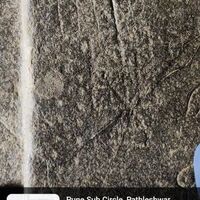 Mancala, Pataleshwar (7)
-
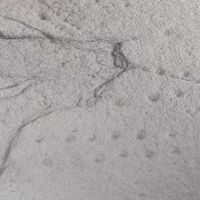 Mancala Finished and Unfinished, Pataleshwar (1,2)
-
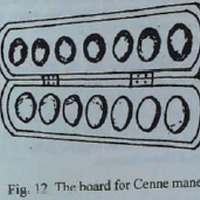 Cenne Mane
-
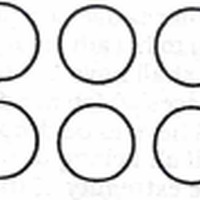 Khutki Boia
-
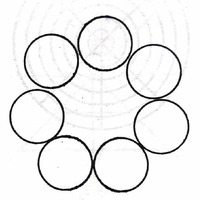 Sat Gol Game
-
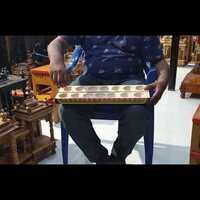 Gud Phale
-
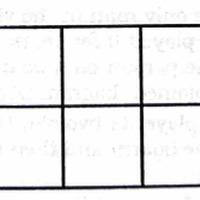 Pachgharwa (five spaces/homes)
-
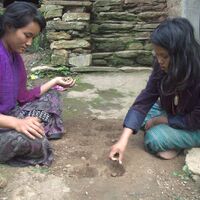 Düzalé
-
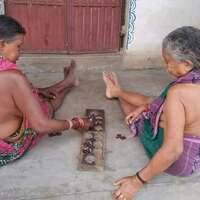 Kasadi
-
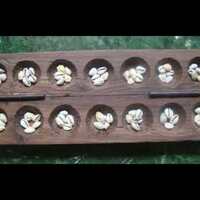 Interview with Professor Priya Sangameswaran (CSSSC): On Playing Pallanguzhi/Pallangudi in Palakkad
-
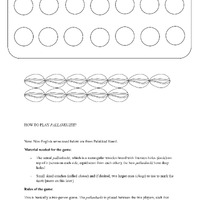 Rules of Pallankuzhi
-
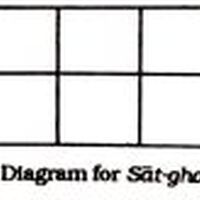 Sat- Gharoa
-
Mancala, Pataleshwar (7)
-
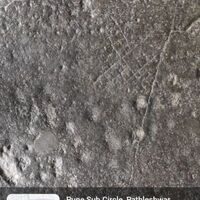 Mancala, Pataleshawar (8)
-
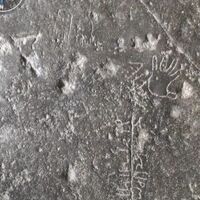 Incomplete Mancala, Pataleshwar (6)
-
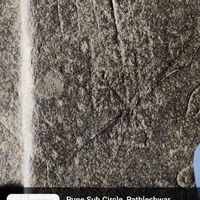 Baghchal, Pataleshwar (1)
-
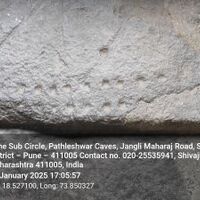 Mancala, Pataleshwar (4)
-
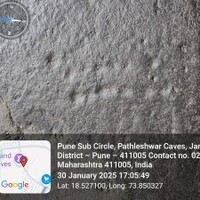 Mancala, Pataleshwar (5)
- Entered by (dcterms:accrualMethod)
- Adrija Mukherjee
Linked resources
| Title | Class |
|---|---|
| Rules of Pallankuzhi |
Document |
| Title | Class |
|---|---|
| Cenne Mane |
Text |
| Düzalé |
Text |
| Gud Phale |
Text |
| Incomplete Mancala, Pataleshwar (6) |
Physical Object |
| Kasadi |
Document |
| Khutki Boia |
Text |
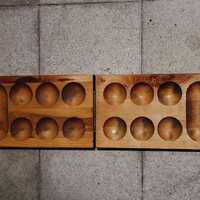 Mancala Mancala |
Physical Object |
| Mancala Finished and Unfinished, Pataleshwar (1,2) |
Physical Object |
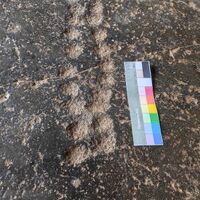 Mancala, Bhaja Cave Complex Mancala, Bhaja Cave Complex |
Physical Object |
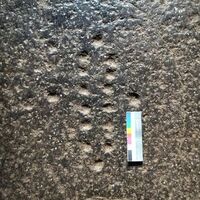 Mancala, Karla (1) Mancala, Karla (1) |
Physical Object |
| Mancala, Pataleshawar (8) |
Physical Object |
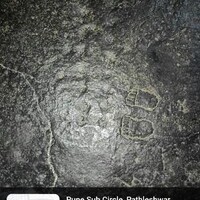 Mancala, Pataleshwar (3) Mancala, Pataleshwar (3) |
Physical Object |
| Mancala, Pataleshwar (4) |
Physical Object |
| Mancala, Pataleshwar (5) |
Physical Object |
| Mancala, Pataleshwar (7) |
Physical Object |
| Pachgharwa (five spaces/homes) |
Text |
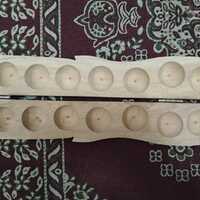 Pallanguzhi Pallanguzhi |
Physical Object |
| Sat Gol Game |
Text |
| Sat- Gharoa |
Text |
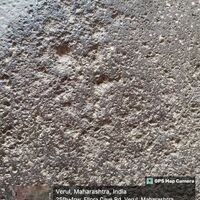 Unfinished Mancala, Ellora Unfinished Mancala, Ellora |
Physical Object |