Tabul Phale
Item
- Title (dcterms:title)
- Tabul Phale
- Description (dcterms:description)
-
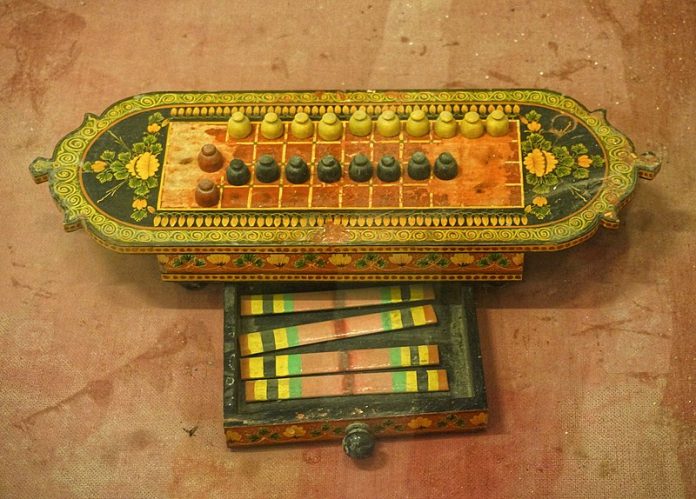
This is an 18th c. indigenous board game of Goa called Tabul Phale, from the collection of Bagore Ki Haveli Museum in Udaipur. Its nomenclature derives from the wooden plank/board called ‘Tabul’ and the dicing sticks called ‘phale’. It is a two player game, with 12 pegs or pieces each of two different colours aligned on opposite sides of the board. The 4 sticks are painted and rounded on one side, and plain on the other.
The 12 x 4 squared board or ‘phale’ is vibrantly awash in colours of yellow, orange, and olive green, decorated with floral motifs on the side, known as ‘chitari’ art, named after the Chitari community, in Demani Village in Cuncolim, Goa that produces it today. They make all sorts of artefacts and toys using this art form such as advoli (traditional cutting board), paat (wooden stool), wooden vegetables and gunjifa cards. - Alternative Title (dcterms:alternative)
- Tabul Fale, Tablan, Tablaa
- Rules (dcterms:instructionalMethod)
- How to Play Tabul Phale
- Contributor (dcterms:contributor)
- Hiya Prakash- The Heritage Lab
- Rights (dcterms:rights)
- Creative Commons
- Format (dcterms:format)
- Boardgame
- References (dcterms:references)
- Tabul Phale, a Goan board game- Heritage Lab
- Spatial Coverage (dcterms:spatial)
- Goa
- Variants (dcterms:isVersionOf)
-
 Bheri Bakri
-
 Tabul Phale
-
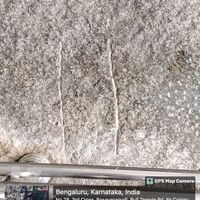 Incomplete Board, Bull Temple
-
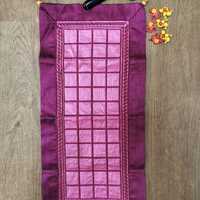 Tablan, Handmade
-
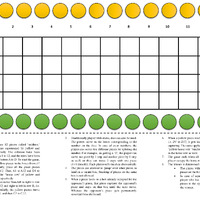 Tablan: Downloadable Game
-
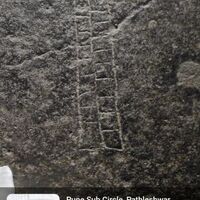 Tablan, Pataleshwar
-
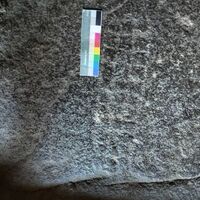 Graffiti Boardgame Tablan in Kailash Temple Ellora
-
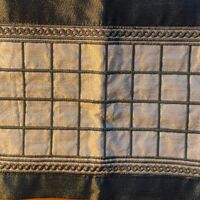 Tablan
- Entered by (dcterms:accrualMethod)
- Adrija Mukherjee
- Media
- Tabul Phale.jpg
Linked resources
| Title | Class |
|---|---|
| Bheri Bakri |
Text |
| Incomplete Board, Bull Temple |
Physical Object |
| Tablan, Handmade |
Physical Object |
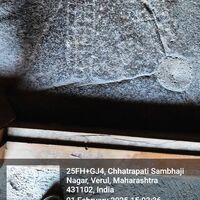 Tablan, Jagannatha Sabha, Ellora Tablan, Jagannatha Sabha, Ellora |
Physical Object |
| Tabul Phale |
Text |