Tibetan Game of Rebirth and Liberation (Sa lam rnam bzhag)
Item
- Title (dcterms:title)
- Tibetan Game of Rebirth and Liberation (Sa lam rnam bzhag)
- Description (dcterms:description)
-
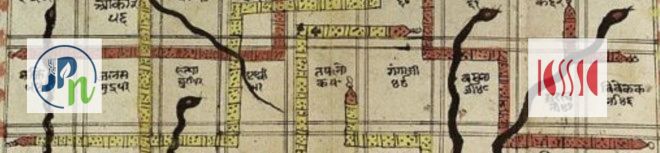
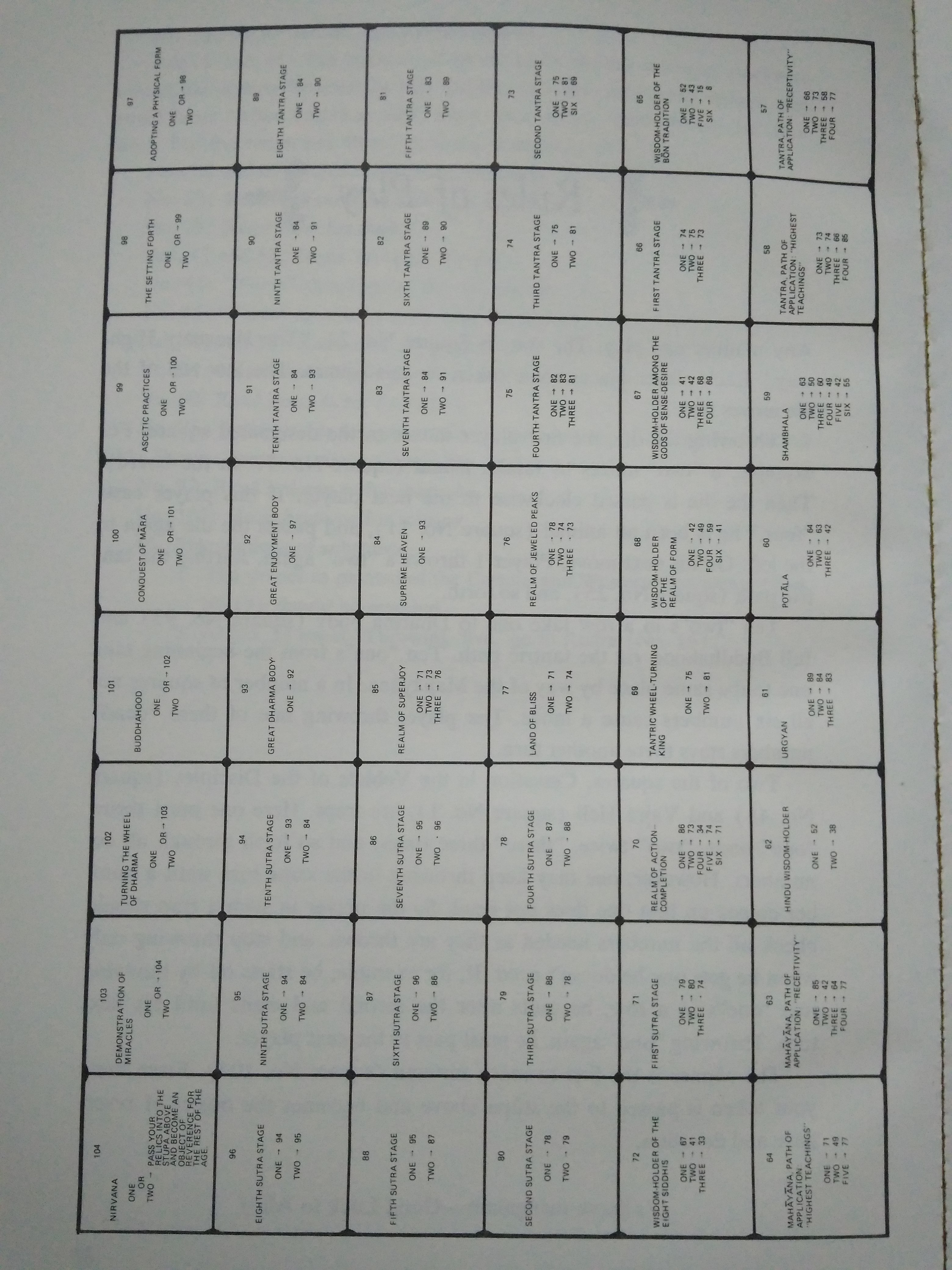
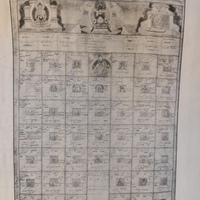
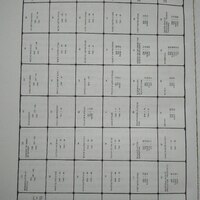
The Tibetan Game of Rebirth and Liberation is a variant of the Gyan Chaupar game, arguably. It is about the attainment of nirvana in either the Sutra way or the Tantra way. The game consists of a checkered board with each square being inscribed with scenarios from life and Buddhist philosophy. Each square leads to other squares depending on the throws of dice. The game itself is hypertextual and there are multiple outcomes possible from the throw of dice after the players reach any particular square on the game board.
The following quotation from the Indian Museum's publication provides a detailed idea about the game:
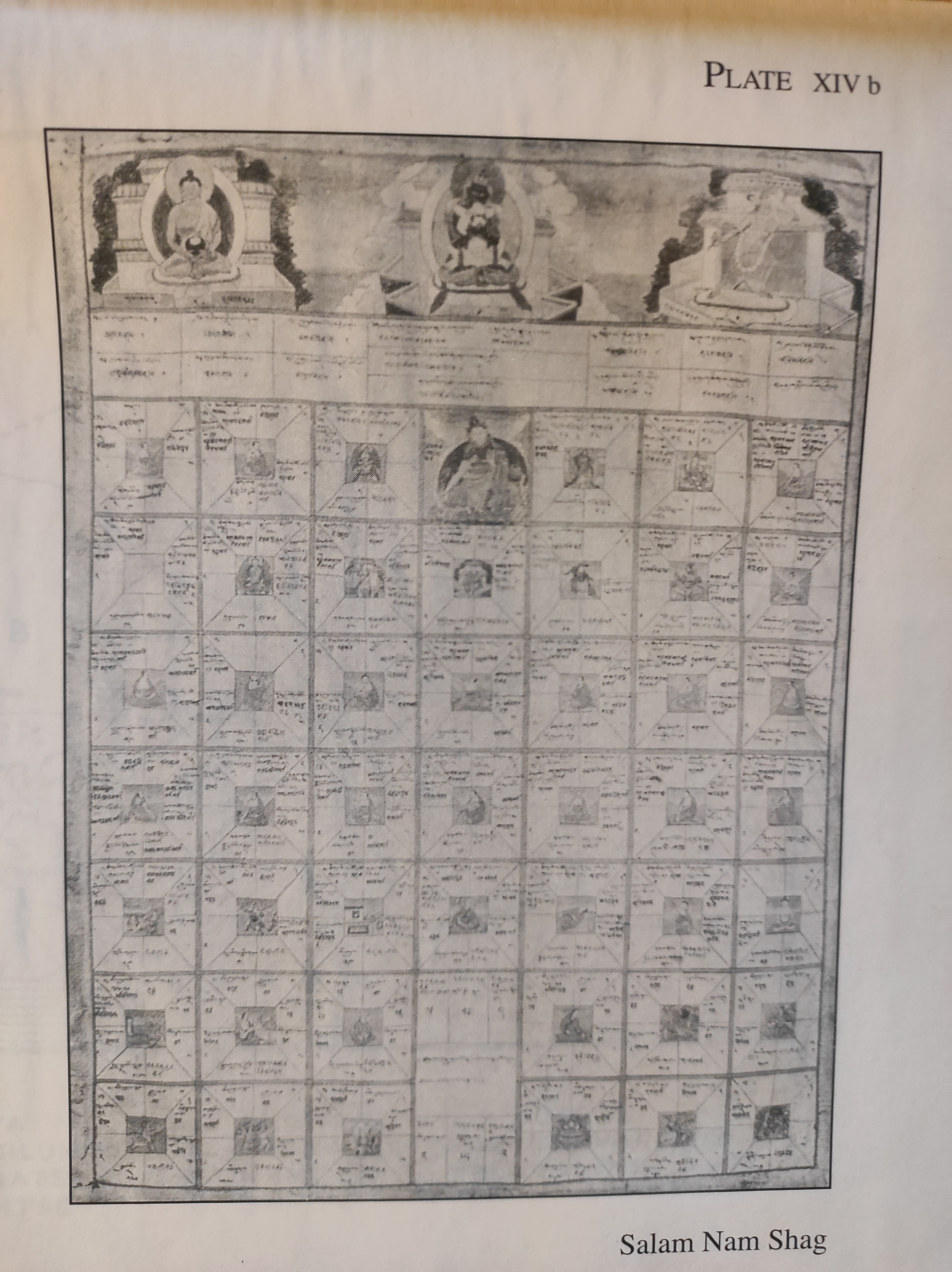
This is a fortune-telling thanka and as a sort of game, "the game of Rebirth", it is played with dice. Unlike other thankas this thanka is interesting fpr its subject matter, which neither depicts a deity nor a monk but a sort of religious game - a popular game of the Tibetan people. Though the subject is different the ultimate goal of the game as depicted in this painting, like other thankas is the same, i.e. nirvana or final liberation. Salam Nam Shag actually describes the path (marga) and the suc- cessive stages (bhumi) of spiritual progress for attaining nirvana. The game was invented by Sakyapandita, the great Sanskrit scholar and guru of the Sakya sect in the early 13th century A.D. The thanka shows seven horizontal and seven vertical rows representing seven squares in each row. These squares which symbolically represent the 'board' of the game and cosmic geography illustrate the paths to enlightenment and final libera-
tion.
At the top are shown the figures of Amitayus in Sukhāvatī heaven, Vajradhara in yab-yum in vajrahum kāramudra and Vajrayogini. In this thanka, devaloka, daityaloka, manuṣyaloka, nagaloka, paśuloka and naraka have been illustrated with representations of deities, arhats, śrāvakas, asuras, nagas, beasts and the sufferings in hell. The game is started from the human realm and with the cast of a dice one proceeds upward or down- ward either to devaloka or to the lower states of rebirth or naraka. The winner in the game of rebirth reaches the realm of Buddhahood and nirvāņa' (Chakravarti 2000, 28)
- Alternative Title (dcterms:alternative)
- Tibetan Game of Rebirth and Liberation
- Creator (dcterms:creator)
- Sakya Pandita Kunga Gyeltsen (1182 - 1251)
- Source (dcterms:source)
-
Indian Museum ? Date: Late 19th century A.D.
Accession No.: 14587
- Rights (dcterms:rights)
- Indian Museum
- Format (dcterms:format)
-
Boardgame with Tibetan text and iconography
- Medium (dcterms:medium)
-
Gouache on cloth; Size: 107 cm x 86 cm (with border) 85 cm x 63 cm (painted portion)
- References (dcterms:references)
-
Tatz, Mark, and Jodi Kent. 1977. Rebirth: The Tibetan Game of Liberation. 1st edition. Garden City, N.Y: Anchor Press.
Chakravarti, Sipra. 2000. Tibetan Thankas in the Indian Museum. Kolkata: Indian Museum
- Temporal Coverage (dcterms:temporal)
- Acquired in 1927
- Spatial Coverage (dcterms:spatial)
- Tibet, North-Eastern India, Dharamshala, Himachal Pradesh
- Variants (dcterms:isVersionOf)
- The Chinese board game of "promotion," known as Shengguan Tu (升官图)
-
 Golok Dham
-
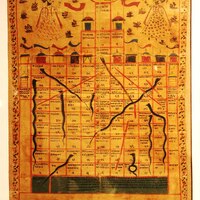 Gyan Chaupar board (Jain Version)
- Date (dcterms:date)
- 1927
- Entered by (dcterms:accrualMethod)
- Souvik Mukherjee
- Approximate time period (dcterms:valid)
- 1250
Linked resources
| Title | Class |
|---|---|
| Golok Dham |
Physical Object |
| Gyan Chaupar board (Jain Version) |
Physical Object |
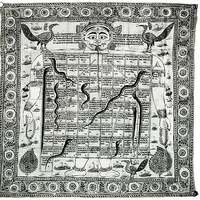 Gyan Chaupar board (Jain version), Lokapurush motif Gyan Chaupar board (Jain version), Lokapurush motif |
Physical Object |