
Incised Boardgames
Boardgames engraved or excavated in historial or ancient locations are etchings of boards cut across on the floor, in porches and other religious and secular spaces. As Alexander DeVoogt notes 'Graffiti game boards attest to the presence of historical populations at an archaeological site and, in some cases, assist in dating an archaeological context' (De Voogt 2020). These have been located in several locations in South Asia, Egypt and the Middle East where they have been studied in archaeological and ethnoarchaeological context to understand human activity and human presence in different time periods of history. It also adds up to symbolic, religious or cultural context to these graffiti boards which are believed to have been made by people who inhabitated the areas. Some of these boards are found in temples, in resting places for the monks and at times even beside a stupa which is in the main chaitya or prayer hall for the buddhist monks. They are at times measured to be just the right size to sit and play hence they could have been used for the same.
This project has, due to resource constraints, conducted a limited survey but one that was necessary to indicate the importance of researching these games incised in strategic locations. Elke Rogersdotter's talk at the LRP Workshop conducted in CSSSC is an important contribution as are the research started by Ramsons and Project Kheliya.
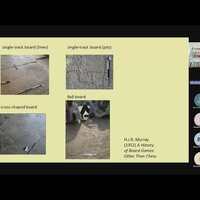
Incised boardgames List
-
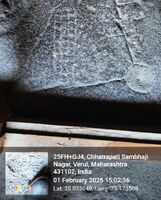
Tablan, Jagannatha Sabha, Ellora
This etched board of Tablan has been recorded from the Jain Cave complex of Ellora at the entrance of Cave number thirty three or Jagannatha Sabha. Etched games or games inscribed have been documented by scholars and board game researchers from many sites of India, both at religious and secular spaces. From sites like Lothal (Indus Valley) to game pieces found at Mohenjodaro, to reference of scholars at books like Sedentary Games and The Boardgame complied by the Anthropological Survey of India, etchings of game boards have been found on stone slabs of places where people gathered, in temple porches or floors of temples and stupa complex. This board has three rows and twelve squares on each row etched on the floor of the cave. The game of Tablan is said to have originated in Mysore or is popularly played in the southern part of India and along the coastal regions. It is a boardgame of two-players, and is considered a race game. It is usually played with four half-cylinder binary dice. The The Jagannatha Sabha is considered to be the second largest Jain Cave at Ellora dating back to the 9th century AD, according to the inscriptions on its pillars. This cave is popular for its intricate carvings and it is two storied. It consists of twelve pillars and elephant heads towards a porch, all carved from a single rock. The hall has two heavy square pillars in front, four in the middle area, and a pillared interior square principal hall with fluted shafts, all intricately carved with capitals, ridges and brackets. Inside the major idols are of Parshvanatha and Mahavira, the last two tirthankaras in Jainism. This board has been documented at the entrance of the cave facing the pillared prayer hall. This cave was popular to be a part of the Digambara Sect. -
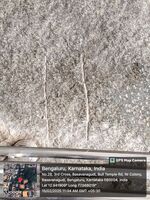
Incomplete Board, Bull Temple
This board or this etching of a board could be speculated as the outer lines of Tablan. This etched board was found and recorded from Bull temple at Bangalore. This Bull temple consists of the largest stone carving of Nandi, the vahana (vehicle) of Lord Shiva. This temple was built by Kempe Gowda who was the the founder of Bangalore. This temple also has legends around it of the villagers worshiping the bull and has been on of the important centers of worship for the local people. This graffiti board lies on the left side of the porch. The temple is built in Vijaynagara style with the Nandi idol in the centre and porches on both sides. These porches have graffiti boards etched on them. This is one such board. Tablan is a traditional Indian board game for two players, similar to Backgammon and Tâb, where the goal is to occupy more of your opponent's home squares than they do yours. [1, 2, 3, 4] Here's a more detailed breakdown: [1, 4, 5] Origin & History: Tablan is an ancient Hindustani game originating in India, particularly in some villages in Mysore, southwestern India. [1, 4, 5] It could have originated from the Roman games Duodecima Scripta . Tablan is a "running fight" game from Mysore in India. Two bands of twelve warriors fight their way to each other's stronghold. Can you get more of your warriors into enemy territory than your enemy can get into yours? The game is a traditional blend of luck and strategy still played relatively recently. History of Tablan There is a class of games known as running fight games, in which two players advance towards each other on a straight course according to the throw of dice or casting sticks. But instead of being a race, the winner of a running fight game is decided by the capture of pieces when the game ends. Tablan is a running fight game. Although the board is two-dimensional, it represents a single track which has been folded in on itself. The game is a traditional one from India, of unknown antiquity. It is apparently related to a smaller, but more complex, game called tab, which was first described in the west in 1694. Whether tablan is the ancestor or descendant of tab is not currently known. According to R. C. Bell, tablan was still being played in the villages in Mysore, southwest India, in the second half of the twentieth century. It has been made known in the west partly by Bell's own books. (source: Cyningistan.com) -
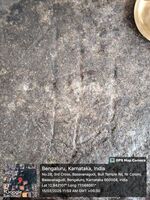
Bagh Chal, Bull Temple (4)
The Basavanagudi Bull temple is a popular pilgrim location and is famous for largest stone carving of Nandi, the vahana (vehicle) of Lord Shiva. This temple was built by Kempe Gowda who was also known as the founder of Bangalore. The temple also has a lot of local folklore about villagers worshipping the bull. Hence from the time of its origin to present day, it is frequented by tourists, pilgrims and local people of the region. This graffiti board lies on the left side of the porch. The temple is built in Vijaynagara style with the Nandi idol in the centre and porches on both sides. The image shows a Bagh Chal Board on the left side of one of the porches of the temple complex. A total of four kinds of Bagh Chal boards were documented from the Bull Temple. Bagh Chal or Tigers and Goats is an ancient hunt game that has been popular in many regions of the world. The board of Bagh Chal is part of the alquerque family which traces its history to the Moors of Spain in their Libro de Los juegos (book of games) commissioned by Alfonso X in the 13th century. Although the rules were first found there, the history of alquerque goes further back to Egypt and to a name mentioned in the Kitab-al-Aghani (book of songs) as Kirkat or Al-Kirkat. Besides reference in literature similar game boards have been found both in practice amongst players in various communities as well as in archaeological sites. Bagh Chal has many variants, and is known by different names all over India, Nepal, Bhutan and other countries of South Asia. The structure of the board, the number of pieces and the variants in the rules may vary from place to place but the intention of winning remains the same. It is a two-player game where one individual represents the tiger and the other represents the goats. The number of tigers vary from one to even five in some games while the number of goats can be twenty or less or more depending on the structure of the board and the rules popular to the region. -
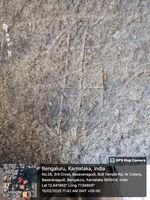
Baghchal, Bull Temple (3)
This etched or incised Bagh Chal game board has been documented from the Bull Temple in Karnataka. It lies on the left side of the porch, second pillar from the entrance of the temple. Bagh Chal or Tigers and Goats is an ancient hunt game that has been popular in many regions of the world. The board of Bagh Chal is part of the alquerque family which traces its history to the Moors of Spain in their Libro de Los juegos (book of games) commissioned by Alfonso X in the 13th century. Although the rules were first found there, the history of alquerque goes further back to Egypt and to a name mentioned in the Kitab-al-Aghani (book of songs) as Kirkat or Al-Kirkat. Besides reference in literature similar game boards have been found both in practice amongst players in various communities as well as in archaeological sites. Bagh Chal has many variants, and is known by different names all over India, Nepal, Bhutan and other countries of South Asia. The structure of the board, the number of pieces and the variants in the rules may vary from place to place but the intention of winning remains the same. It is a two-player game where one individual represents the tiger and the other represents the goats. The number of tigers vary from one to even five in some games while the number of goats can be twenty or less or more depending on the structure of the board and the rules popular to the region. The Basavanagudi Bull temple is a popular pilgrim location and is famous for largest stone carving of Nandi, the vahana (vehicle) of Lord Shiva. This temple was built by Kempe Gowda who was also known as the founder of Bangalore. The temple also has a lot of local folklore about villagers worshipping the bull. Hence from the time of its origin to present day, it is frequented by tourists, pilgrims and local people of the region. This graffiti board lies on the left side of the porch. The temple is built in Vijaynagara style with the Nandi idol in the centre and porches on both sides. -
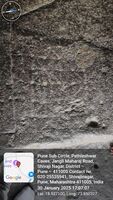
Bagh Chal, Pataleshwar (3)
This Bagh Chal board has been recorded from the pillared halls of the main cave in the second row facing the main shrine of the cave site of Pataleshwar. Bagh Chal or Tigers and Goats is an ancient hunt game that has been popular in many regions of the world. The board of Bagh Chal is part of the alquerque family which traces its history to the Moors of Spain in their Libro de Los juegos (book of games) commissioned by Alfonso X in the 13th century. Although the rules were first found there, the history of alquerque goes further back to Egypt and to a name mentioned in the Kitab-al-Aghani (book of songs) as Kirkat or Al-Kirkat. Besides reference in literature similar game boards have been found both in practice amongst players in various communities as well as in archaeological sites. Bagh Chal has many variants, and is known by different names all over India, Nepal, Bhutan and other countries of South Asia. The structure of the board, the number of pieces and the variants in the rules may vary from place to place but the intention of winning remains the same. It is a two-player game where one individual represents the tiger and the other represents the goats. The number of tigers vary from one to even five in some games while the number of goats can be twenty or less or more depending on the structure of the board and the rules popular to the region. Pataleshwar cave complex are a small group of five excavations, developed into a cave temple dedicated to Pataleshwar, God of the underworld or Shiva. This cave complex is ruggedly excavated and also bears resemblance with the Elephanta caves of Mumbai. The cave has unfinished murals on the sides and on the backside. There is a Nandi pavilion at the entrance of the cave which is circular. The inside of the main cave contains a pillared hall with a pradakshinapatha the way to go around the shrine. One side of the cave remains unfinished. This and other boardgames were documented on the floor of the cave. -
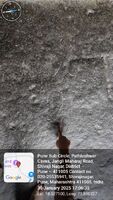
Chaupar, Pataleshwar (Incomplete)
This is a documented image which showcase one arm of four found in a typical Chaupar board. Speculation could be that this was made in a trial and error process while games were being etched or excavated on the floors of the cave site. Or the measurement could have been incorrect leading to abandonment of this board mid-way. It could also have worn away with time and lack of preservation of etchings on the floor. Pataleshwar cave complex are a small group of five excavations, developed into a cave temple dedicated to Pataleshwar, God of the underworld or Shiva. This cave complex is ruggedly excavated and also bears resemblance with the Elephanta caves of Mumbai. The cave has unfinished murals on the sides and on the backside. There is a Nandi pavilion at the entrance of the cave which is circular. The inside of the main cave contains a pillared hall with a pradakshinapatha the way to go around the shrine. One side of the cave remains unfinished. This and other boardgames were documented on the floor of the cave. According to anthropologists K. Ravi and Jaya Sankar Rao and the classification of HJR Murray in his book, The History of Boardgames Other Than Chess, Chaupar is categorised as a Race Game. The first description of this game seems to have been written in the 16th century, when chaupar was a common gambling sport at the court of the Mughal emperor Akbar in Agra and Fatehpur Sikri. Abul Fazl describes how the game is played with sixteen pieces, three dice, and a “board” in the shape of a cross. It is typically a four-player game and the pieces belonging to each player is distinct from the others. It is played with four pieces and a throwing of either cowrie shells or two oblong dice. There are various terminologies used for the safe squares, or the throws which differs from one region to the other. For example, in Haryana the central home which is a flower here is called 'charon ka ghar'. Interestingly, it can be played by a throw of six cowrie shells or even more depending on the variant. As this etched board is from Maharashtra, it is difficult to understand the exact throw of dice or cowries used or the rules made to play this game. -
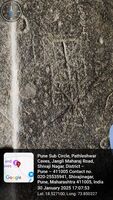
Mancala, Pataleshwar (7)
This board was documented from Pataleshwar in the second row, right side of the pillared halls from the entrace facing the shrine in the cave. It is an eight-hole mancala. This mancala was found just beside a baghchal board. Although no overlap, they lie close to each other. It could indicate that both were not engraved at the same time. The holes or houses of the mancala board is not very deep. There are a total of eight mancalas recorded from the site of Pataleshwar. Pataleshwar cave complex are a small group of five excavations, developed into a cave temple dedicated to Pataleshwar, God of the underworld or Shiva. This cave complex is ruggedly excavated and also bears resemblance with the Elephanta caves of Mumbai. The cave has unfinished murals on the sides and on the backside. There is a Nandi pavilion at the entrance of the cave which is circular. The inside of the main cave contains a pillared hall with a pradakshinapatha the way to go around the shrine. One side of the cave remains unfinished. While there are abundant etched evidence of mancala spread all across Maharashtra, it has been stated by scholars and board game researchers that more recent memory of the existence of this game is absent from the region. Thus, the practice of playing the game or the regional variant belonging from this region is either lost or yet to be found. The game of Mancala is considered to be one of the oldest games of the world, while its place of origin and the timeline is debatable. The earliest textual reference as stated by scholars comes from Kitab al-Aghani, or Book of Songs which does not directly mention mancala but refers to a similar game. These rows of cupules have been excavated in ancient sites like Jordan and many others including megalithic sites in India but their link as to being Mancala is debatable. This game has many variants all across the world and is popular in Africa, Asia, and parts of Eastern Europe. In India, Mancala is known by many names and the rules and variants of the game keep changing based on its region and according to the communities who play them. The number of holes in mancala differ along with the number of rows as well. In some variants the board is hand-drawn on a surface as circles with chalk or even cut holes on the soil to play the game. It is played with local seeds, stones or anything which is easily available as pieces to place inside the pits. The number of pieces per pit also vary from four to even twelve in some variants. This game is popularly a two-player game but some variants also show three players or even one in some case. -
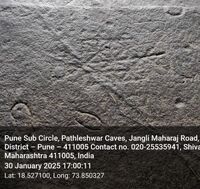
Baghchal, Pataleshwar (2)
This etched or incised Bagh Chal board was recorded from the main cave complex on the second row of the pillared halls on the left side from the entrance facing the cave. Bagh Chal or Tigers and Goats is an ancient hunt game that has been popular in many regions of the world. The board of Bagh Chal is part of the alquerque family which traces its history to the Moors of Spain in their Libro de Los juegos (book of games) commissioned by Alfonso X in the 13th century. Although the rules were first found there, the history of alquerque goes further back to Egypt and to a name mentioned in the Kitab-al-Aghani (book of songs) as Kirkat or Al-Kirkat. Besides reference in literature similar game boards have been found both in practice amongst players in various communities as well as in archaeological sites. Bagh Chal has many variants, and is known by different names all over India, Nepal, Bhutan and other countries of South Asia. The structure of the board, the number of pieces and the variants in the rules may vary from place to place but the intention of winning remains the same. It is a two-player game where one individual represents the tiger and the other represents the goats. The number of tigers vary from one to even five in some games while the number of goats can be twenty or less or more depending on the structure of the board and the rules popular to the region. Pataleshwar cave complex are a small group of five excavations, developed into a cave temple dedicated to Pataleshwar, God of the underworld or Shiva. This cave complex is ruggedly excavated and also bears resemblance with the Elephanta caves of Mumbai. The cave has unfinished murals on the sides and on the backside. There is a Nandi pavilion at the entrance of the cave which is circular. The inside of the main cave contains a pillared hall with a pradakshinapatha the way to go around the shrine. One side of the cave remains unfinished. This and other boardgames were documented on the floor of the cave. -
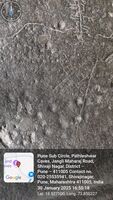
Mancala, Pataleshawar (8)
Pataleshwar cave complex are a small group of five excavations, developed into a cave temple dedicated to Pataleshwar, God of the underworld or Shiva. This cave complex is ruggedly excavated and also bears resemblance with the Elephanta caves of Mumbai. The cave has unfinished murals on the sides and on the backside. There is a Nandi pavilion at the entrance of the cave which is circular. The inside of the main cave contains a pillared hall with a pradakshinapatha the way to go around the shrine. One side of the cave remains unfinished. This and other boardgames were documented on the floor of the cave. This is a documented image of an eight hole mancala but all the houses or holes are not in a condition where it could be played at the moment. Some of the holes have worn away with time. Interestingly there lies a Chaupar board just beside this mancala. There are a total of eight mancala graffiti boards recorded from Pataleshwar. The game of Mancala is considered to be one of the oldest games of the world, while its place of origin and the timeline is debatable. The earliest textual reference as stated by scholars comes from Kitab al-Aghani, or Book of Songs which does not directly mention mancala but refers to a similar game. These rows of cupules have been excavated in ancient sites like Jordan and many others including megalithic sites in India but their link as to being Mancala is debatable. This game has many variants all across the world and is popular in Africa, Asia, and parts of Eastern Europe. In India, Mancala is known by many names and the rules and variants of the game keep changing based on its region and according to the communities who play them. The number of holes in mancala differ along with the number of rows as well. In some variants the board is hand-drawn on a surface as circles with chalk or even cut holes on the soil to play the game. It is played with local seeds, stones or anything which is easily available as pieces to place inside the pits. The number of pieces per pit also vary from four to even twelve in some variants. This game is popularly a two-player game but some variants also show three players or even one in some case. While there are abundant etched evidence of mancala spread all across Maharashtra, it has been stated by scholars and board game researchers that more recent memory of the existence of this game is absent from the region. Thus, the practice of playing the game or the regional variant belonging from this region is either lost or yet to be found. -
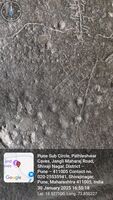
Chaupar, Pataleshwar (3)
This is a documented image which showcases a small etched or incised Chaupar board on the floor along with another board of Mancala, almost overlapping. Speculation could suggest that they were either made one after another or in different times. This particular Chaupar board is relatively smaller than the other boards recorded in the cave temple of Pataleshwar. This could draw speculations that this board was made in an attempt to document what boards they played in the past or this could have been part of their trial and error process of etching boardgames on the ground without precise measurements. Pataleshwar cave complex are a small group of five excavations, developed into a cave temple dedicated to Pataleshwar, God of the underworld or Shiva. This cave complex is ruggedly excavated and also bears resemblance with the Elephanta caves of Mumbai. The cave has unfinished murals on the sides and on the backside. There is a Nandi pavilion at the entrance of the cave which is circular. The inside of the main cave contains a pillared hall with a pradakshinapatha the way to go around the shrine. One side of the cave remains unfinished. This and other boardgames were documented on the floor of the cave. According to anthropologists K. Ravi and Jaya Sankar Rao and the classification of HJR Murray in his book, The History of Boardgames Other Than Chess, Chaupar is categorised as a Race Game. The first description of this game seems to have been written in the 16th century, when chaupar was a common gambling sport at the court of the Mughal emperor Akbar in Agra and Fatehpur Sikri. Abul Fazl describes how the game is played with sixteen pieces, three dice, and a “board” in the shape of a cross. It is typically a four-player game and the pieces belonging to each player is distinct from the others. It is played with four pieces and a throwing of either cowrie shells or two oblong dice. There are various terminologies used for the safe squares, or the throws which differs from one region to the other. For example, in Haryana the central home which is a flower here is called 'charon ka ghar'. Interestingly, it can be played by a throw of six cowrie shells or even more depending on the variant. As this etched board is from Maharashtra, it is difficult to understand the exact throw of dice or cowries used or the rules made to play this game. -
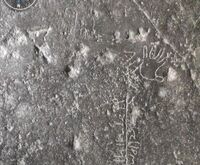
Incomplete Mancala, Pataleshwar (6)
Pataleshwar cave complex are a small group of five excavations, developed into a cave temple dedicated to Pataleshwar, God of the underworld or Shiva. This cave complex is ruggedly excavated and also bears resemblance with the Elephanta caves of Mumbai. The cave has unfinished murals on the sides and on the backside. There is a Nandi pavilion at the entrance of the cave which is circular. The inside of the main cave contains a pillared hall with a pradakshinapatha the way to go around the shrine. One side of the cave remains unfinished. This image showcases three holes of Mancala incised and what looks like attempts in curating rows of mancala to make a board on the floor. Another speculation could be that there was a board which eroded with time and lack of preservation of the rock floors. There are a total of eight mancalas recorded from Pataleshwar along with other boardgames. The game of Mancala is considered to be one of the oldest games of the world, while its place of origin and the timeline is debatable. The earliest textual reference as stated by scholars comes from Kitab al-Aghani, or Book of Songs which does not directly mention mancala but refers to a similar game. These rows of cupules have been excavated in ancient sites like Jordan and many others including megalithic sites in India but their link as to being Mancala is debatable. This game has many variants all across the world and is popular in Africa, Asia, and parts of Eastern Europe. In India, Mancala is known by many names and the rules and variants of the game keep changing based on its region and according to the communities who play them. The number of holes in mancala differ along with the number of rows as well. In some variants the board is hand-drawn on a surface as circles with chalk or even cut holes on the soil to play the game. It is played with local seeds, stones or anything which is easily available as pieces to place inside the pits. The number of pieces per pit also vary from four to even twelve in some variants. This game is popularly a two-player game but some variants also show three players or even one in some case. : While there are abundant etched evidence of mancala spread all across Maharashtra, it has been stated by scholars and board game researchers that more recent memory of the existence of this game is absent from the region. Thus, the practice of playing the game or the regional variant belonging from this region is either lost or yet to be found. -
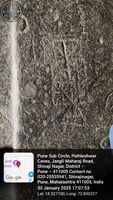
Baghchal, Pataleshwar (1)
The image shows both an incised or engraved board of Bagh Chal board along with a Mancala board. The mancala board lies on the left with the etched bagh chal on the right side of the image. Bagh Chal or Tigers and Goats is an ancient hunt game that has been popular in many regions of the world. The board of Bagh Chal is part of the alquerque family which traces its history to the Moors of Spain in their Libro de Los juegos (book of games) commissioned by Alfonso X in the 13th century. Although the rules were first found there, the history of alquerque goes further back to Egypt and to a name mentioned in the Kitab-al-Aghani (book of songs) as Kirkat or Al-Kirkat. Besides reference in literature similar game boards have been found both in practice amongst players in various communities as well as in archaeological sites. Bagh Chal has many variants, and is known by different names all over India, Nepal, Bhutan and other countries of South Asia. The structure of the board, the number of pieces and the variants in the rules may vary from place to place but the intention of winning remains the same. It is a two-player game where one individual represents the tiger and the other represents the goats. The number of tigers vary from one to even five in some games while the number of goats can be twenty or less or more depending on the structure of the board and the rules popular to the region. Pataleshwar cave complex are a small group of five excavations, developed into a cave temple dedicated to Pataleshwar, God of the underworld or Shiva. This cave complex is ruggedly excavated and also bears resemblance with the Elephanta caves of Mumbai. The cave has unfinished murals on the sides and on the backside. There is a Nandi pavilion at the entrance of the cave which is circular. The inside of the main cave contains a pillared hall with a pradakshinapatha the way to go around the shrine. One side of the cave remains unfinished. This and other boardgames were documented on the floor of the cave. These two boards were found on the right side of the pillared halls as mentioned in the cave plan.